Where East meets West - A unique blend of Portuguese heritage and Chinese tradition
Macau, a Special Administrative Region of China, stands as one of the world's most fascinating cultural crossroads. For over 400 years, this tiny peninsula served as the first European trading port in East Asia, creating an unprecedented blend of Portuguese and Chinese civilizations.
The city's architecture tells this story vividly - baroque churches stand beside traditional Chinese temples, cobblestone Portuguese streets weave through neighborhoods of Chinese shophouses, and colonial mansions share space with gleaming modern casinos.
Today, Macau is known as the "Monte Carlo of the Orient" with its world-class entertainment and gaming industry, while its UNESCO World Heritage Historic Centre preserves one of the most intact colonial urban landscapes in Asia.
400 Years of Heritage
The Historic Centre of Macau is a UNESCO World Heritage Site
Churches, plazas, and colonial architecture from centuries past
Unique Macanese dishes blending Portuguese and Chinese flavors
World-class casinos and luxury resorts
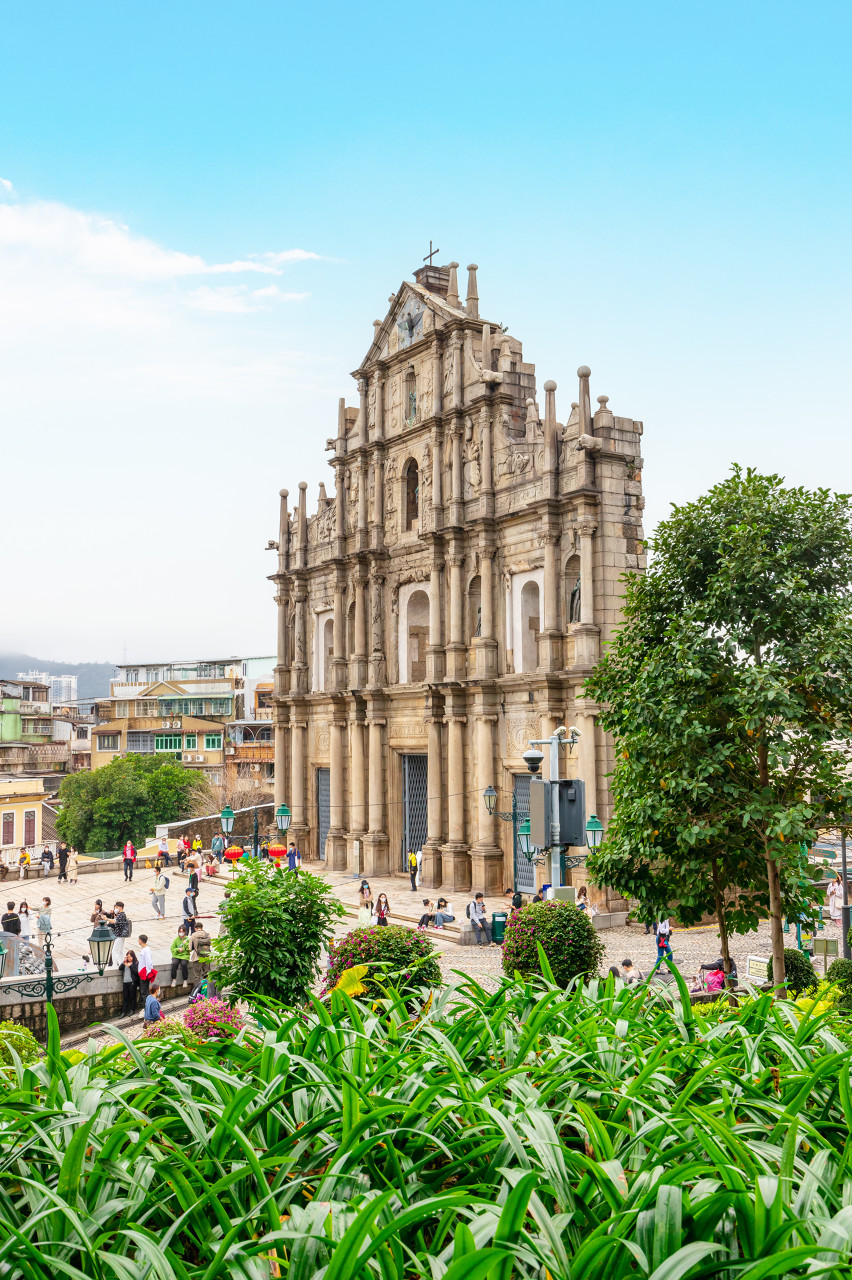
The iconic facade of the 17th-century Church of Mater Dei, Macau's most recognizable landmark. This magnificent stone facade survived a devastating fire in 1835 and stands as testament to the city's Catholic heritage.
The heart of Macau's historic center, featuring wave-patterned mosaic streets and colonial-era buildings. This lively square has been the city's gathering place for centuries.
Standing 338 meters tall, this iconic tower offers panoramic views of the city and the world's highest commercial bungee jump for thrill-seekers.
Macau's oldest temple, dedicated to the sea goddess Mazu. Built in 1488, it predates Portuguese colonization and represents the Chinese spiritual heritage of the region.
The world's largest casino, featuring replicas of Venice's canals and landmarks. Shop, dine, and take a gondola ride through its stunning interior.
Built in 1616 to defend against pirates and Dutch invaders, this fortress now houses the Macau Museum, offering insights into the city's multicultural history.
Macanese cuisine is one of the world's first fusion foods, born from 400 years of Portuguese and Chinese cultural exchange. Portuguese sailors brought ingredients from their travels across Africa, India, and Southeast Asia, blending them with local Cantonese cooking techniques.
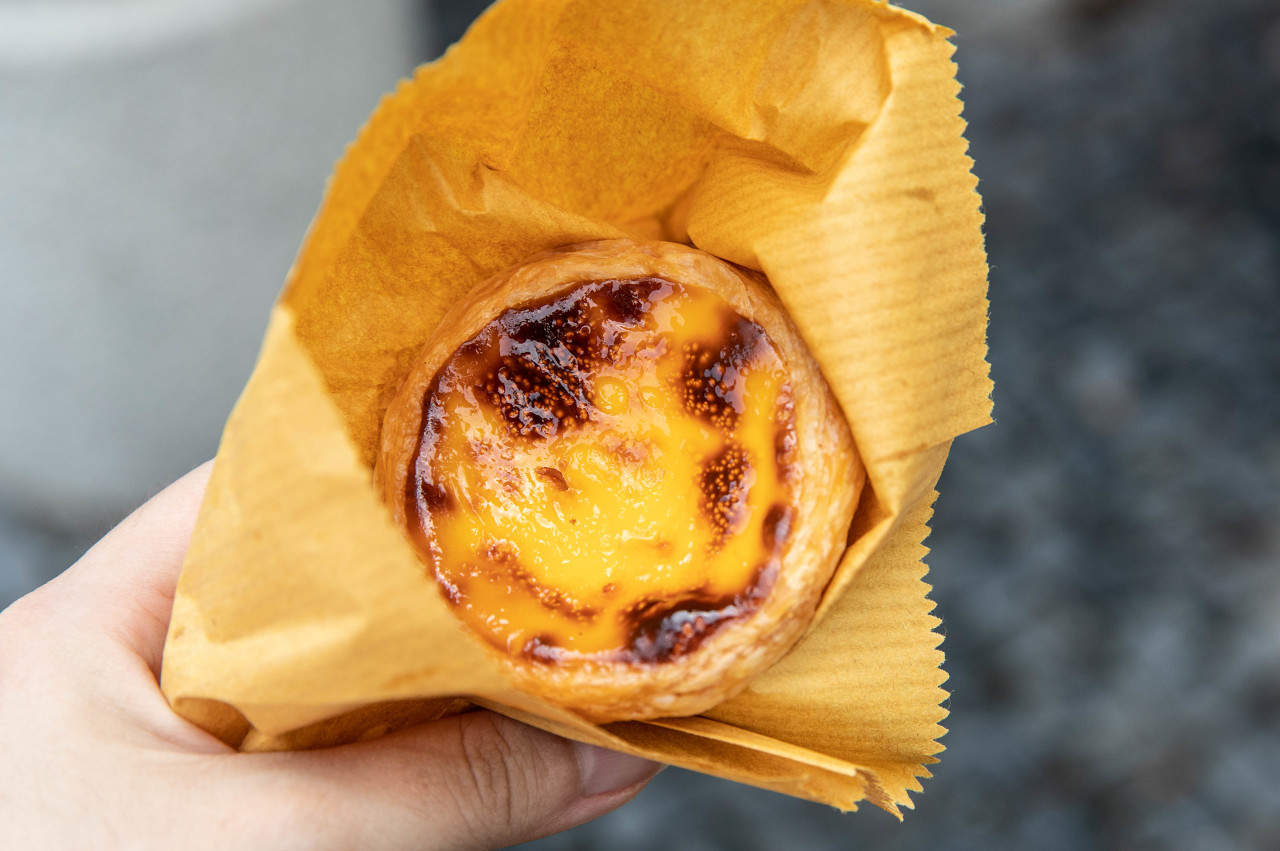
The result is a culinary tradition unlike any other - dishes like African chicken with piri-piri spices, minchi combining minced meat with potatoes, and the famous Portuguese egg tarts that have become synonymous with Macau.
From street-side almond cookies to elaborate claypot rice, Macau offers flavors that tell the story of its unique position as a crossroads of civilizations.
Flaky pastry cup filled with silky egg custard, caramelized on top. Andrew's Bakery made this treat world-famous.
Classic Portuguese snack - deep-fried codfish balls, crispy outside and tender inside. A must-try Macau delicacy.
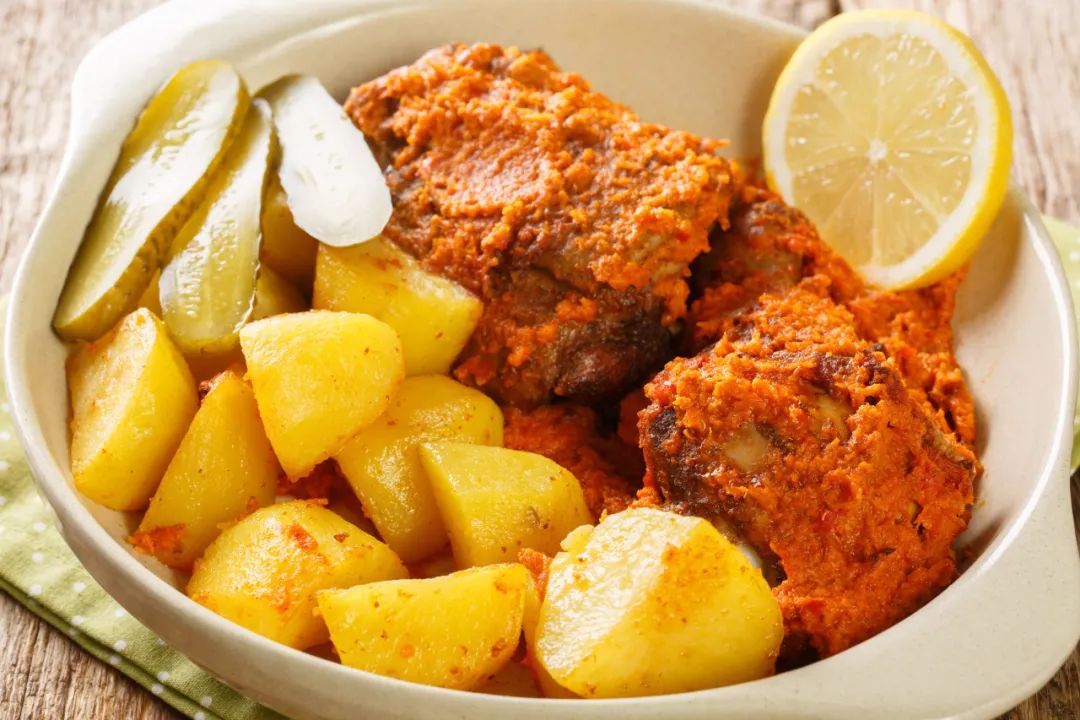
Roast chicken marinated with piri-piri spices, coconut, and garlic - a Portuguese colonial legacy.
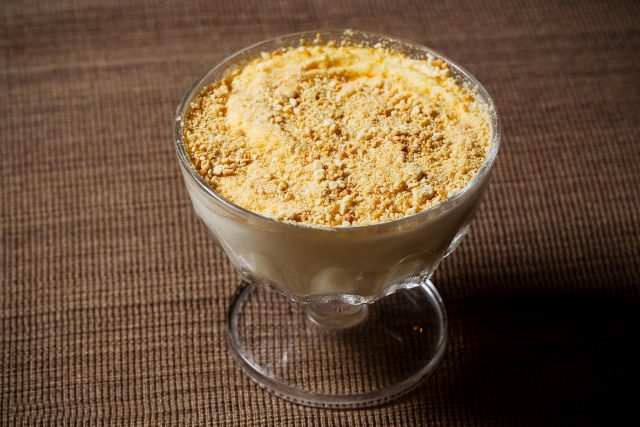
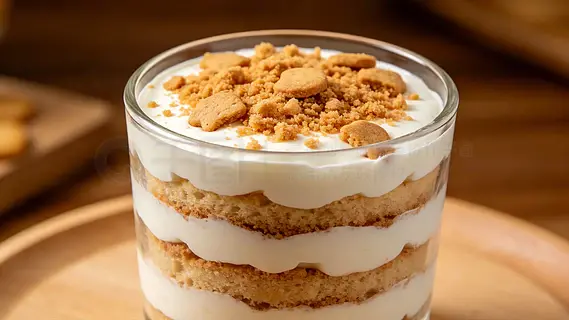
Macau's beloved dessert - layers of whipped cream and crushed biscuit crumbs. Simple yet irresistibly delicious.